There is a shift happening in enterprise software that I don't think most companies fully appreciate yet.
For the last fifteen years, the default answer to almost any operational problem inside a company was simple: buy another SaaS product.
But it wasn't always like that.
Before the SaaS era, large companies routinely built and maintained significant parts of their own operational software. SaaS changed that because it dramatically lowered both the cost and the time required to adopt software.
Need a CRM? HubSpot.
Project management? Monday or Asana.
Knowledge base? Notion.
Electronic signatures? DocuSign.
Need something else? There's almost certainly a SaaS product for that too.
Every business gradually assembled its own stack from dozens of specialized tools. This wasn't just convenient — it was rational. Building custom software was expensive, slow, and difficult to justify. SaaS dramatically reduced the cost of software, allowing companies to focus on running their business instead of building internal tools.
Today, that logic is beginning to break.
What has changed is the economics for the companies that use them. For many mature businesses, software they don't own is no longer the most rational choice.
One bold example
One of our clients employs around 250 people and serves around 10,000 business customers. Like many companies, they ran their business using a jungle of specialized SaaS products.
Airtable for operational data.
Planable for marketing and customer workflows.
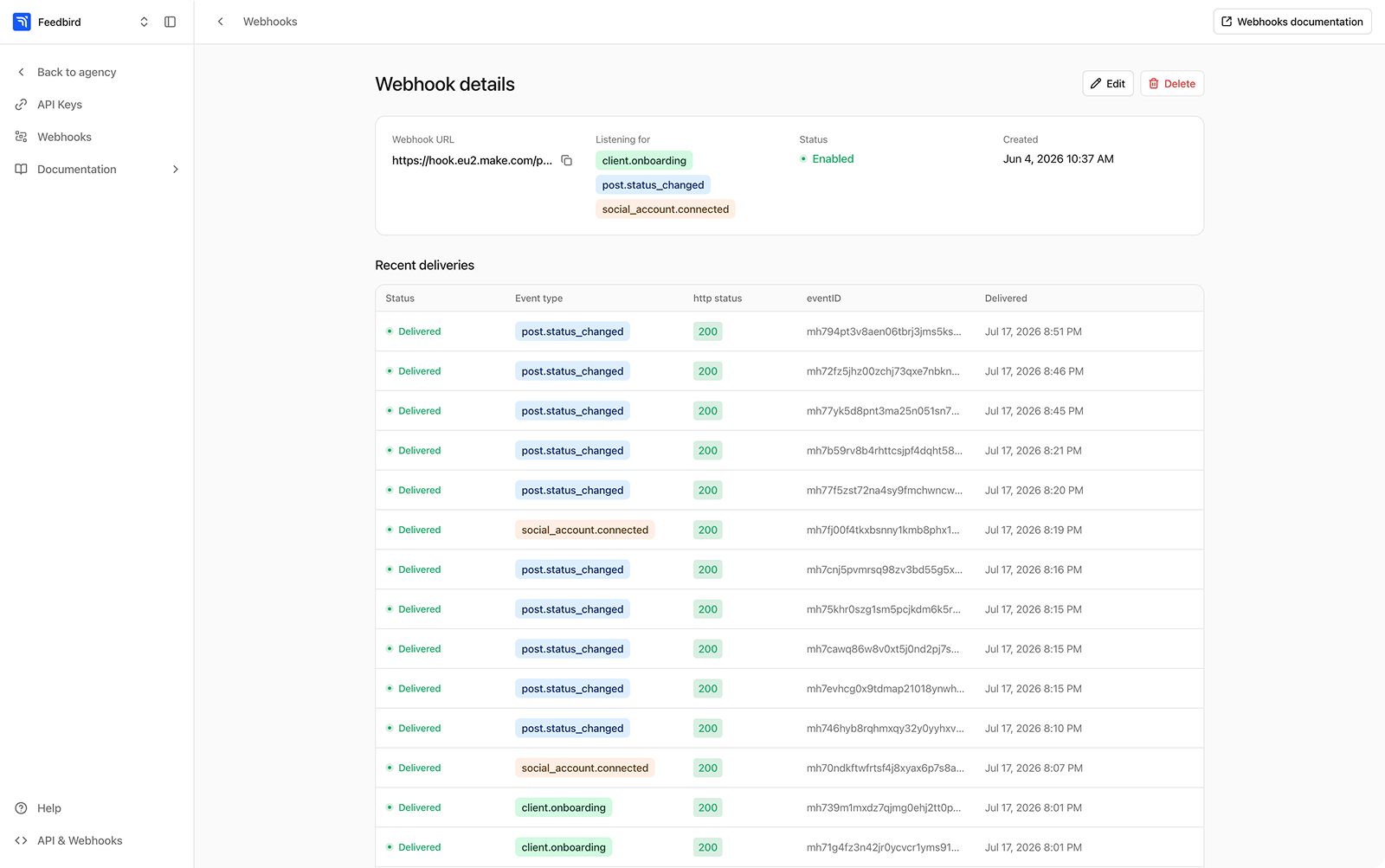
Make for automations.
SPP for client management.
Several smaller specialized tools.
Individually, every SaaS made perfect sense. Together, those services cost the client around $30,000 per month or $360,000 per year.
The subscription bill, however, wasn't the biggest problem.
Since the business lived in many different interfaces every workflow depended on API integrations between vendors that were never designed to work together.
Automations failed regularly. Data had to be kept in sync across systems, which meant someone was always chasing discrepancies. And any meaningful change to a process cascaded across several products at once.
And when the company wanted to bring AI into its operations, the question had no good answer: how do you give AI access to data scattered across five external vendors?
Long story short, they came to us around 8 months ago with the idea of building their own operational platform and replacing that entire jungle of SaaS apps, and bring everything into a single system.
They believed it was possible to do with a reasonable amount of funds, if you have an experienced product team that fully leverages AI.
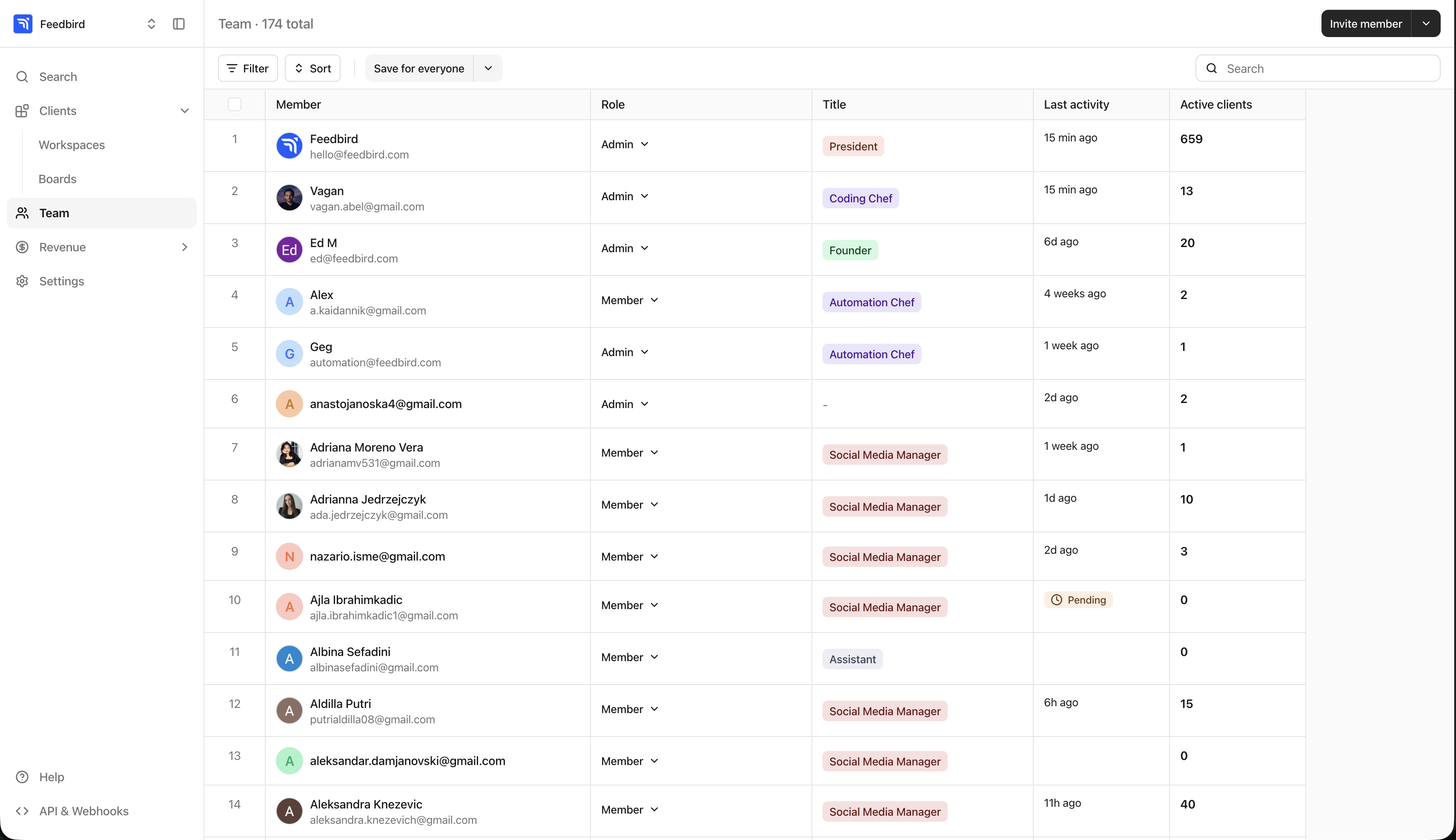
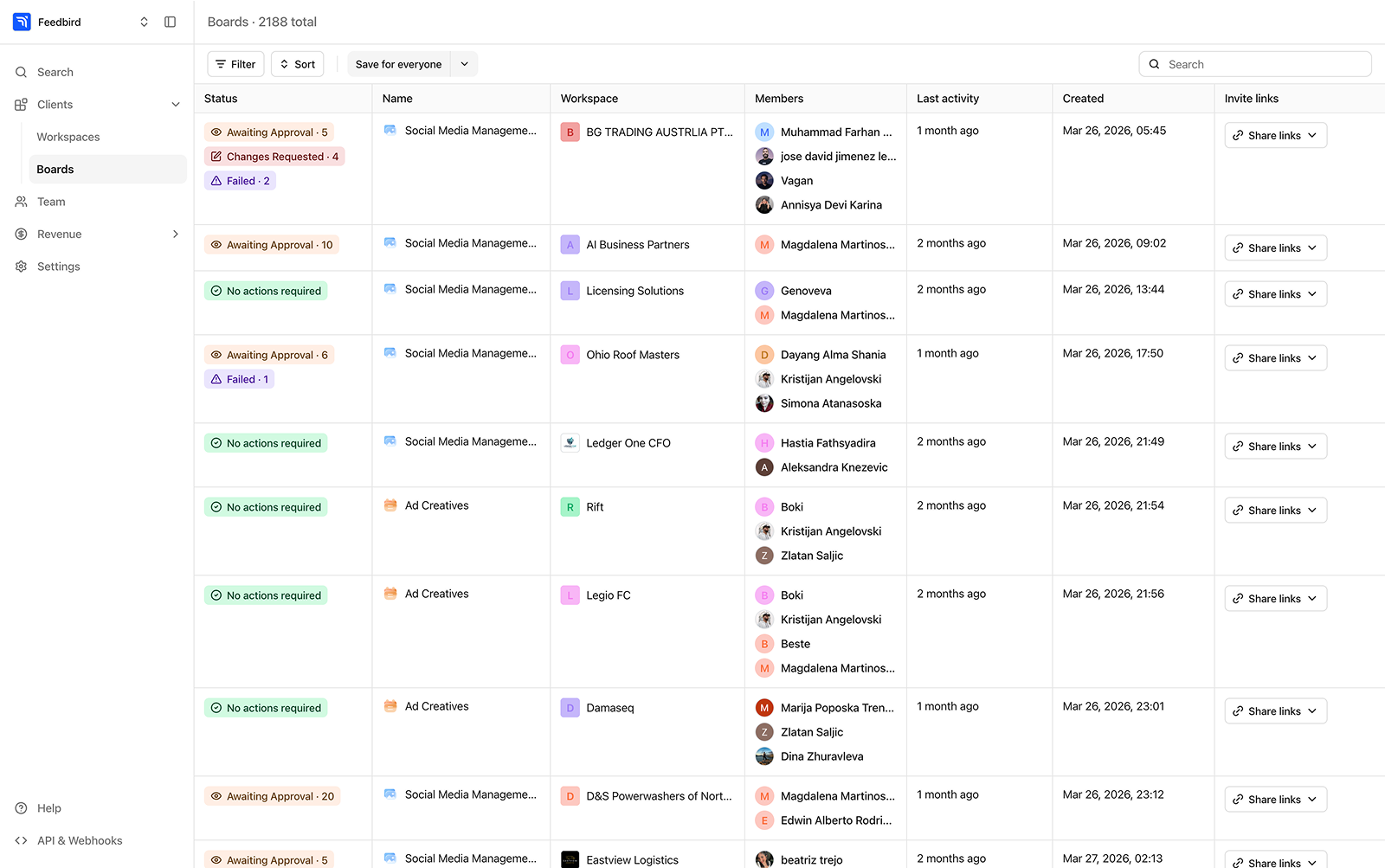
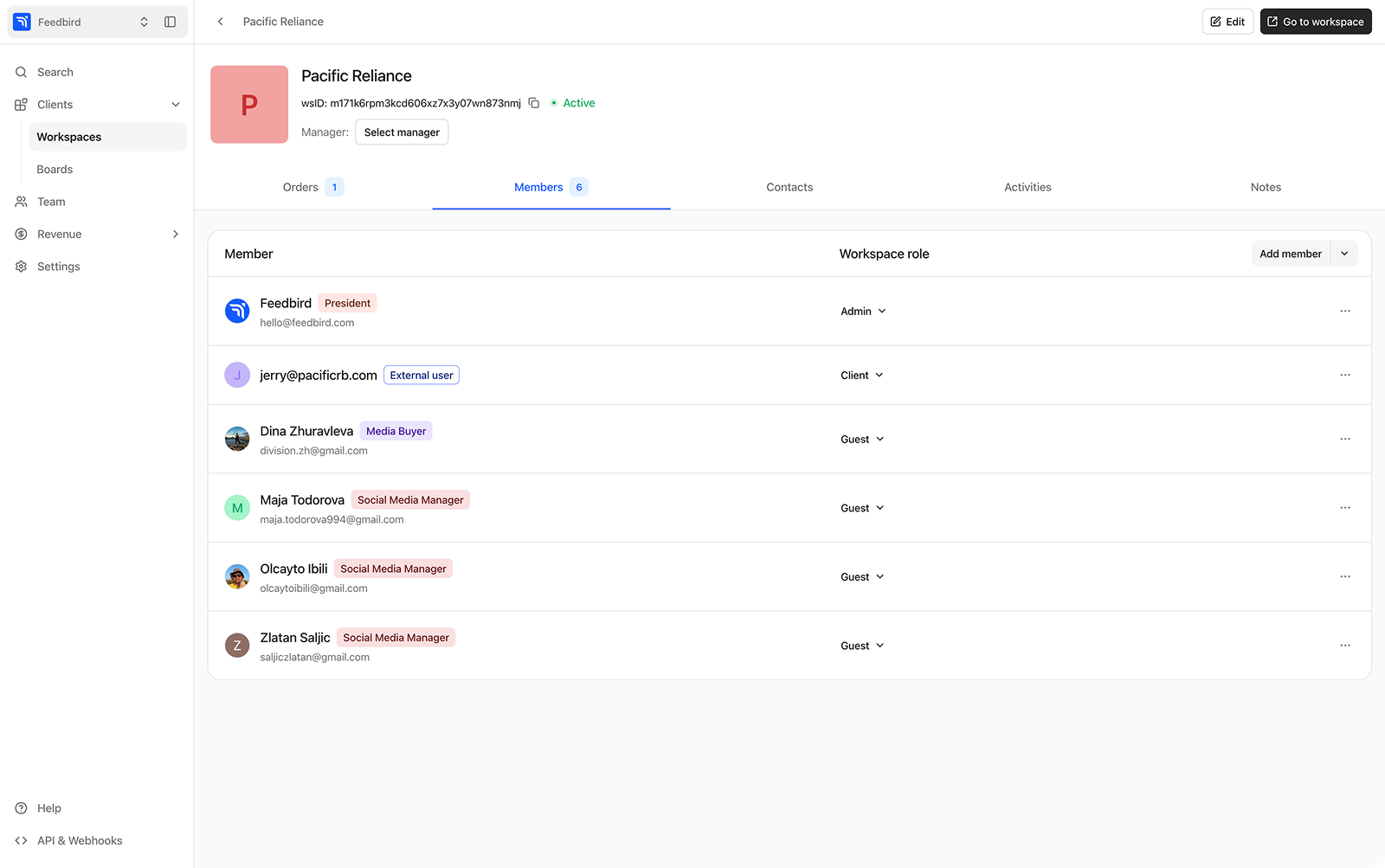
And they were right. Within 6 months we built them an entire internal platform that removed almost all external SaaS services and brought all company data into one elegant system. One shared backend with all company data, and 2 frontend applications — one for their customers and one for their employees and owners to run the business.
Client app:
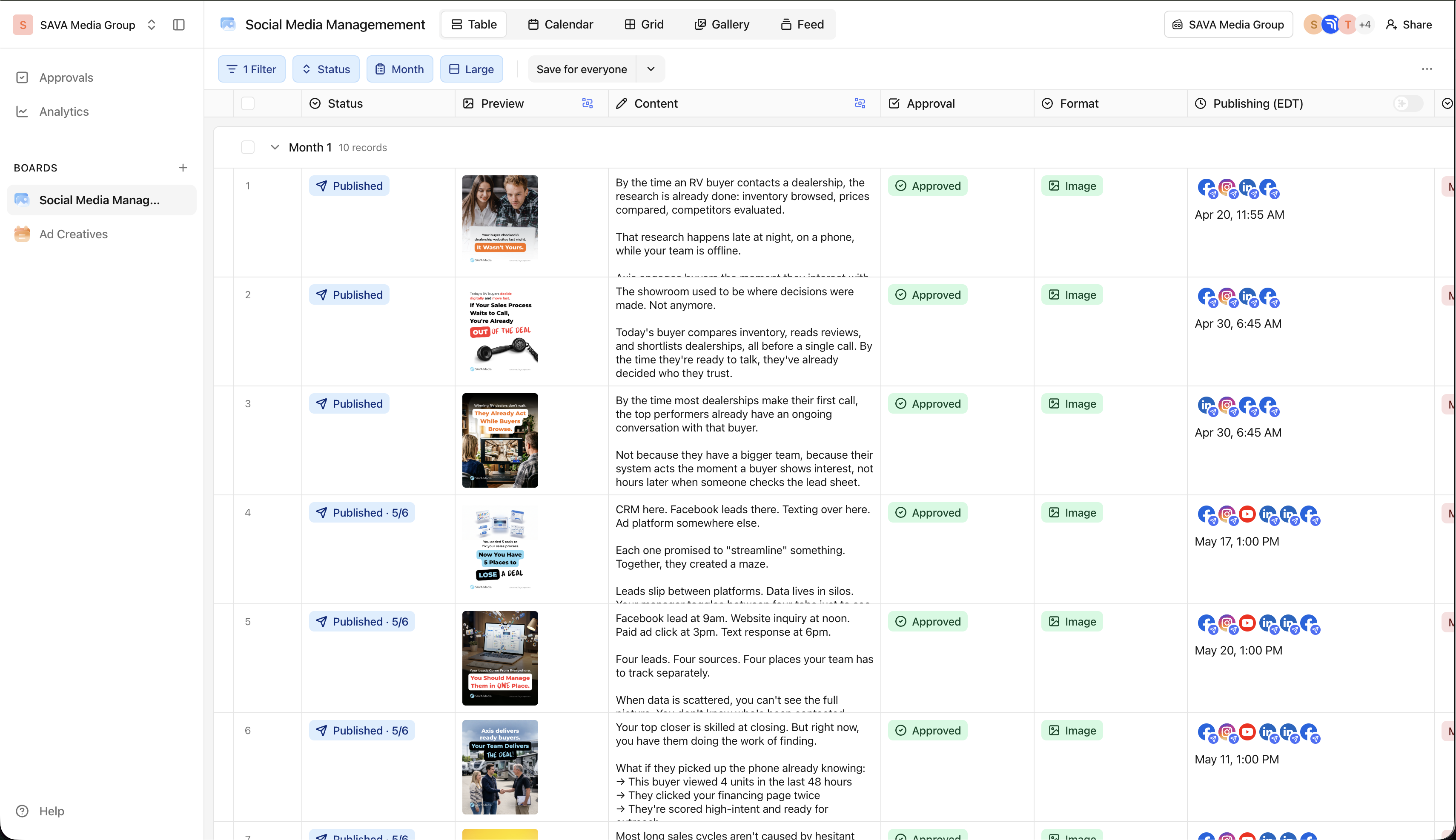
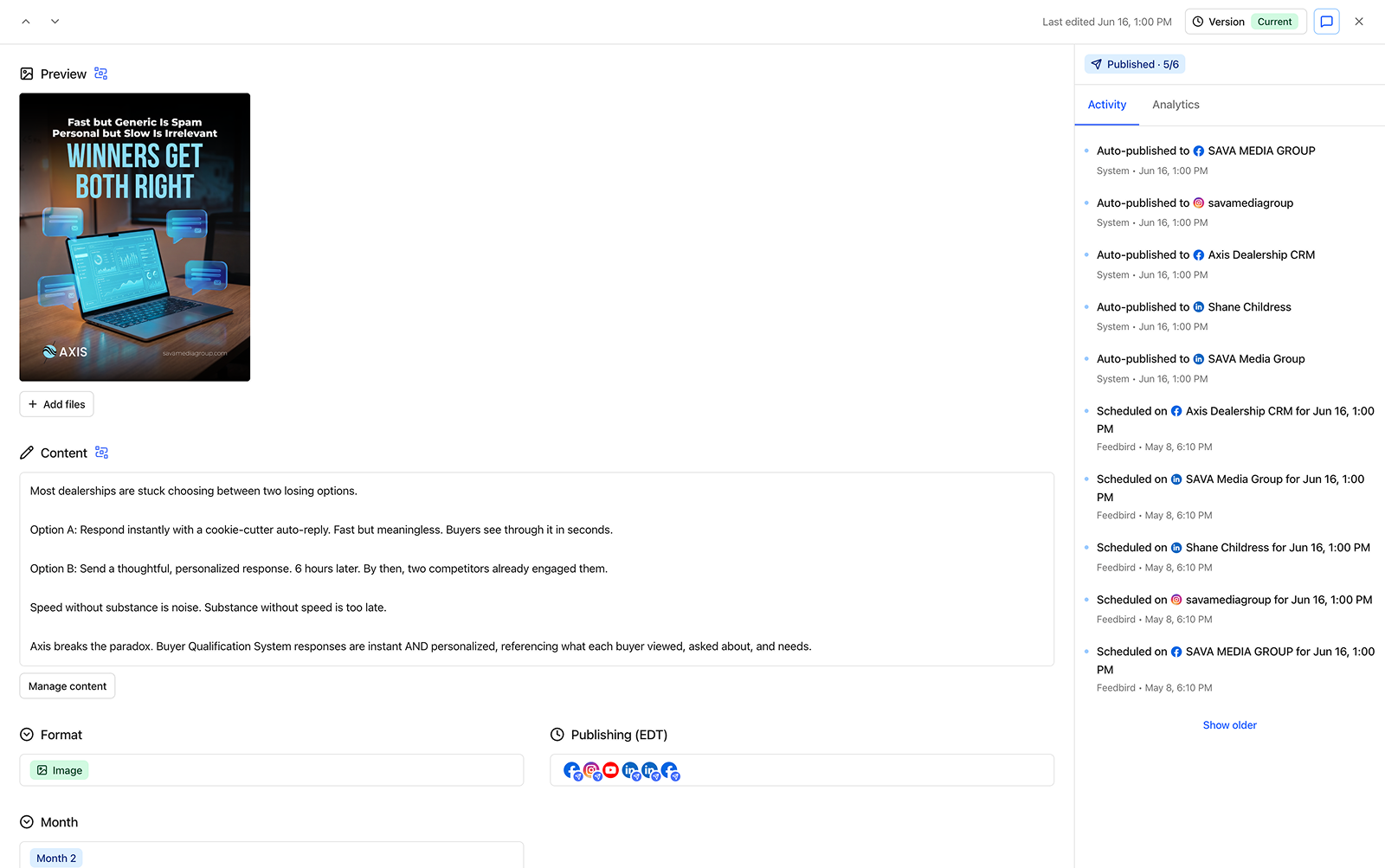
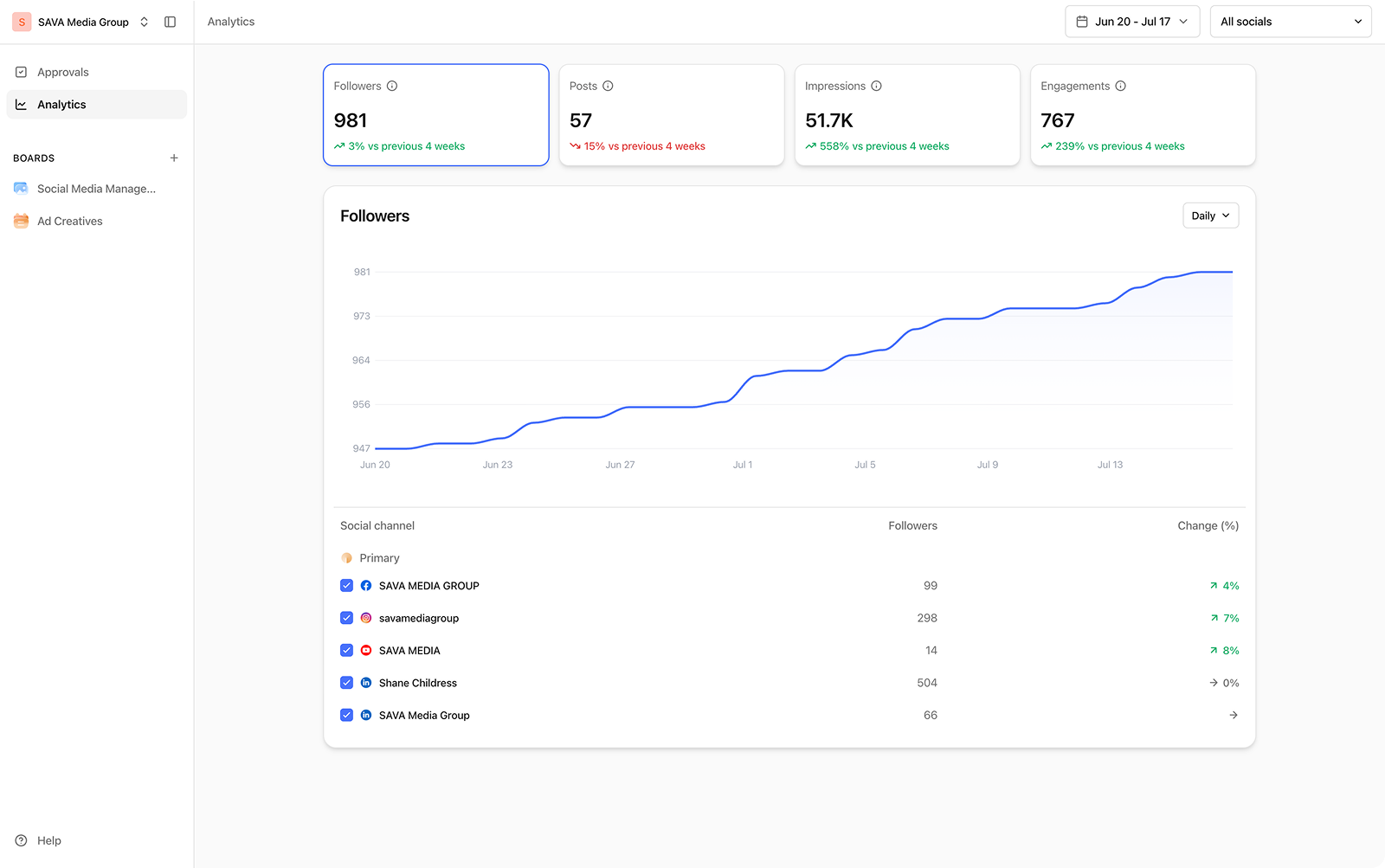
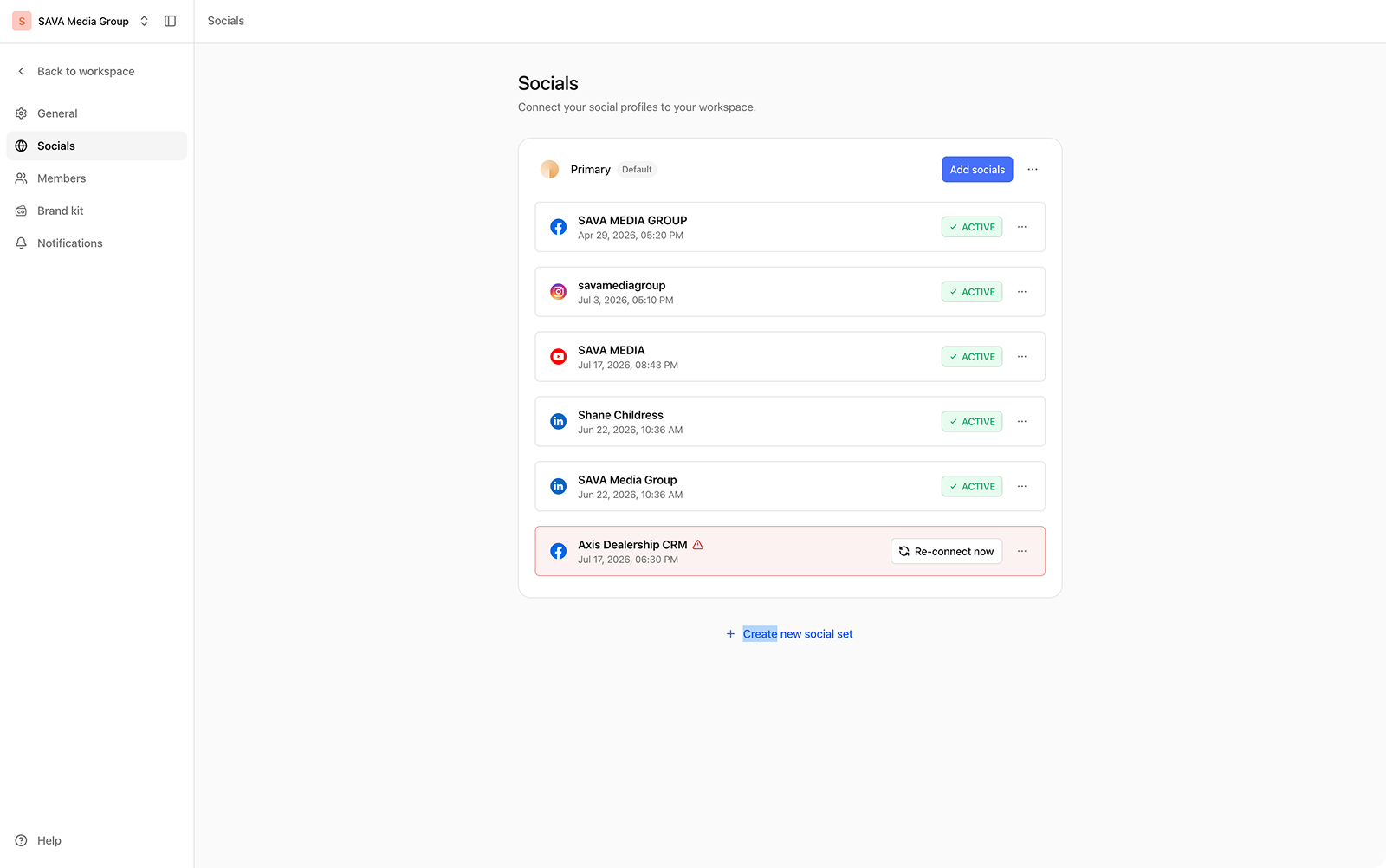
Admin app:
Why this became possible only now
The obvious question: why wasn't everyone doing this five years ago?
Because five years ago, they shouldn't have. For most companies, buying software was simply cheaper than building it. But that equation has changed.
Now, with AI agents, a small, experienced product-engineering team can build and iterate on systems at a speed that previously required a much larger engineering organization.
For a company that already knows how it operates, this changes everything. There is no product-market fit to discover and no roadmap to guess. We're simply turning proven business processes into software.
The second reason that makes the economics work is scope.
The goal of a software replacement is never to recreate Airtable, Planable, or another SaaS. Most companies use around 30–40% of a typical SaaS product's functionality. The remaining features exist because the vendor serves thousands of organizations across different industries, business models, company sizes, and compliance requirements.
The actual scope is usually smaller than people initially assume. Generic software has to satisfy everyone. Your software only needs to satisfy you.
Replacement is the distillation of that 30–40%.
This is why mature companies are uniquely positioned for this shift.
And that's what made our client's project move so fast. We launched the initial version of the platform in four months, and now it keeps growing every week with 3–4 new major features the business actually needs.
The market seems to be noticing the same shift
My experience isn't the only signal.
Let's talk about workflow SaaS products themselves. I put together a simple index of 10 public companies and looked at how they performed over the last eighteen months.
| # | Company | Jan 2, 2025 | Jul 1, 2026 | Change |
|---|---|---|---|---|
| 1 | Figma (FIG) | $85.00* | $19.49 | −77% |
| 2 | Sprout Social (SPT) | $30.69 | $7.99 | −74% |
| 3 | HubSpot (HUBS) | $697.43 | $187.72 | −73% |
| 4 | ZoomInfo (GTM) | $10.46 | $2.84 | −73% |
| 5 | Monday.com (MNDY) | $231.04 | $76.26 | −67% |
| 6 | Atlassian (TEAM) | $242.39 | $83.17 | −66% |
| 7 | Asana (ASAN) | $19.85 | $7.31 | −63% |
| 8 | Salesforce (CRM) | $330.66 | $163.26 | −51% |
| 9 | DocuSign (DOCU) | $90.35 | $46.02 | −49% |
| 10 | Freshworks (FRSH) | $15.90 | $10.41 | −35% |
| Average change | −63% | |||
* Figma IPO'd in July 2025; measured from its first-day opening price of $85.00.
While the S&P 500 appreciated roughly 28% over the same period, this basket of leading workflow SaaS companies lost around 63% of their value on average.
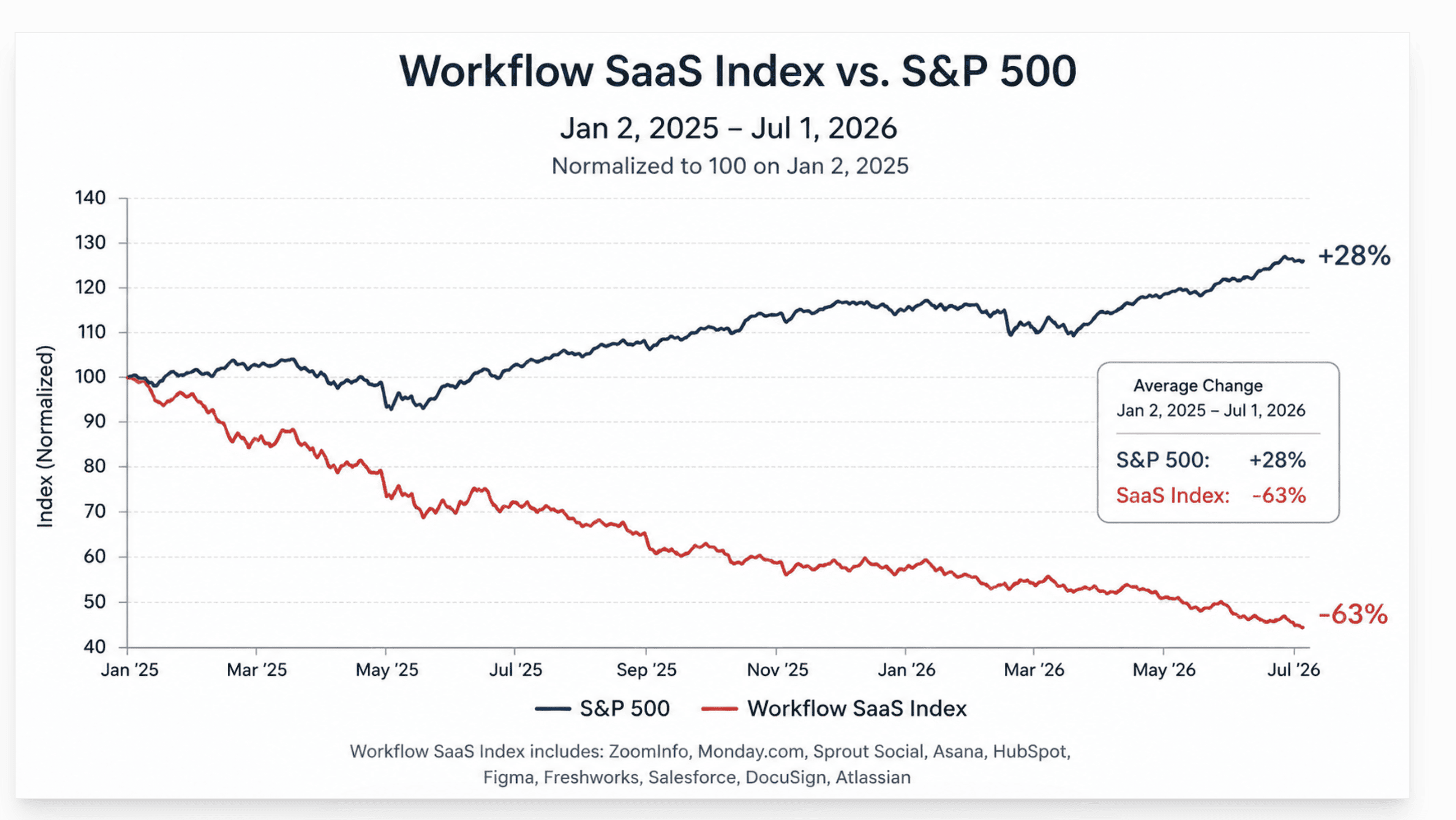
Jeffrey Favuzza, an equity trader at Jefferies, described the current state of the market as the SaaSpocalypse.
You could assume that each company in the index has its own problems. But that isn't the case. Currently, most of them are performing remarkably well.
Figma continues to grow more than 40% year-over-year, maintains exceptional net dollar retention, holds over $1.6B in cash, and recently raised guidance.
Monday.com remains profitable, continues double-digit revenue growth, generates hundreds of millions in free cash flow, and maintains healthy customer retention.
Sprout Social continues to grow at double-digit rates, serving tens of thousands of businesses worldwide while improving profitability and free cash flow.
… So this isn't a story about weak execution.
What these companies have in common is something more fundamental. At their core, their work is building intuitive interfaces for running business operations: CRMs, project management, workflows, doc management, automations, etc. Mostly CRUD operations in the end.
And I think the market has already started asking the uncomfortable question that many companies haven't asked themselves yet.
What happens when every sufficiently large company walks away from them forever?
The uncomfortable decision
There is one consequence of this shift that I believe matters even more than the subscription savings — AI implementation.
Every company that wants to stay competitive over the coming years will eventually need to integrate AI into its operations, internal workflows, decision-making, and eventually into its products.
There's nothing controversial about that.
But the real question is how.
Any AI system is only as useful as the data it can access.
If your company operates through dozens of different external SaaS products, each with its own limitations, AI can never get a complete picture of the business. It becomes another integration sitting on top of other integrations.
Instead of understanding the company deeply, it only sees fragments of it.
This is why I believe the most valuable long-term asset a company can own is not another AI model.
It's a unified operational data layer.
One place where your customers, operations, financial data, workflows, permissions, documents, and business logic all live together.
Only then can AI become something more than a chatbot.
It becomes an operating system for the company.
This is exactly why our client decided to build their own platform. The subscription savings were important, but they were only part of the business case. The larger goal was to create a foundation where AI could eventually participate in every part of the business instead of being trapped behind the APIs of half a dozen vendors.
We've already seen this kind of architectural shift happen elsewhere. One big example is Tesla.
When Tesla released FSD v12, it removed more than 300,000 lines of manually written C++ driving logic, replacing years of handcrafted rules with a neural network trained on millions of real-world driving examples.
What's remarkable isn't the technology — it's Tesla's willingness to throw away years of engineering investment the moment a fundamentally better architecture became possible.
I think enterprise software is approaching a similar moment.
The question is no longer whether SaaS products are good. Most of them are good enough. The question is whether software you don't own will remain the best foundation for running an AI-first company.
For most companies with large operational teams, I think the answer is increasingly no.
Owning your software is no longer just about reducing costs. It's about owning the data layer that AI will build on for the next decade.
And it's about what that ownership does to the business itself: the platform stops being an operating expense and becomes intellectual property — an asset that increases the company's valuation instead of a subscription line that grows its costs.
My company, Happy Vibes specializes in building enterprise software for companies with complex operations, large volumes of data, and business-critical workflows.
If you're exploring how AI and modern software architecture could transform your business, let's talk. We'll help you evaluate the economics, the technical approach, and whether building your own solution is actually the right decision.